
Paying in UAE with Moroccan card: two central banks launch initiative
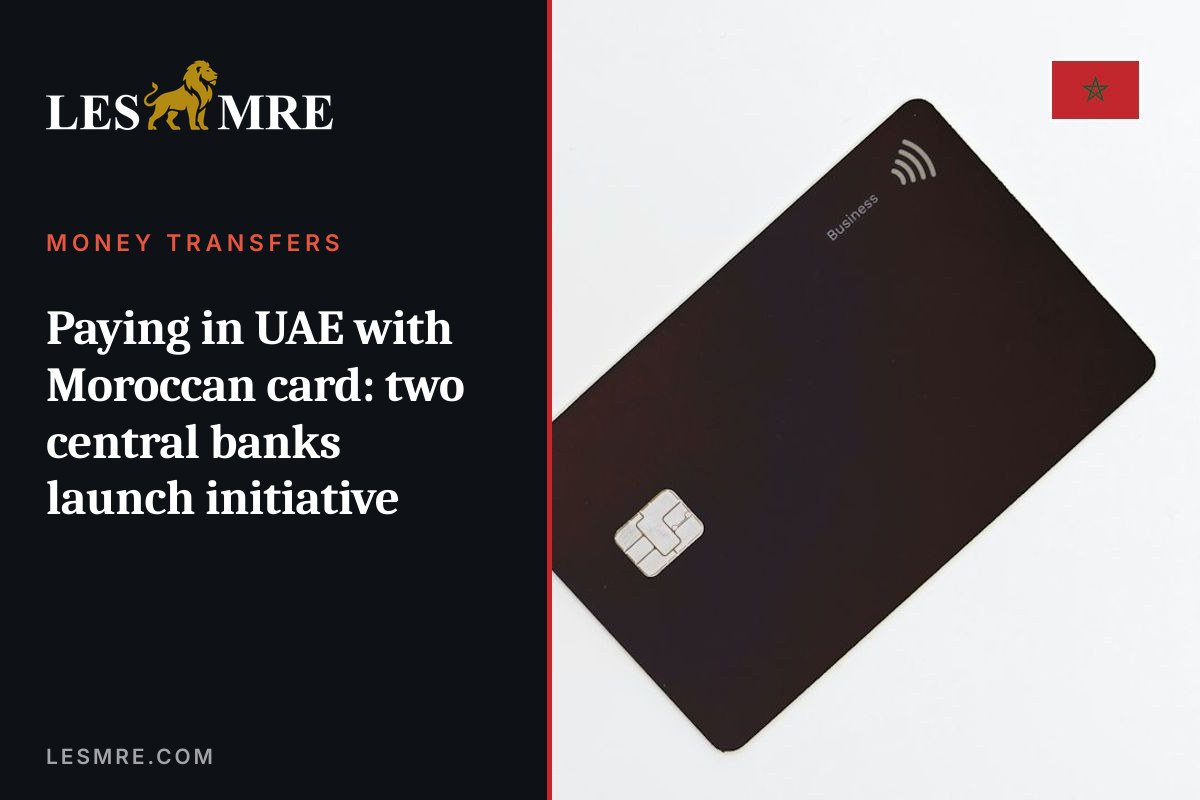
Morocco and UAE central banks signed two agreements to connect payment infrastructures, enable reciprocal card acceptance, and cooperate on cross-border Islamic finance and digital currencies.
Paying in the UAE with a Moroccan card: the two central banks launch the project
The central banks of Morocco and the United Arab Emirates signed two agreements on 3 October to bring their payment systems closer together and strengthen their banking cooperation. Abdellatif Jouahri, Wali of Bank Al‑Maghrib, and Khaled Mohamed Balama, Governor of the Central Bank of the UAE, initialled the texts in Abu Dhabi.
One of the agreements directly targets the infrastructure that carries payments between the two countries. For cards, the stated aim is to study a link between the national networks to enable their mutual acceptance. In practical terms, a card designed for local payments could be used in the other country thanks to this link, in compliance with the rules of both markets.
The technical work does not stop at cards. It also covers instant payment platforms and financial messaging systems. Connecting these building blocks should facilitate the processing and settlement of cross‑border transactions, a sensitive issue for anyone sending or receiving money between the two countries.
Beyond the technical rails, the two institutions want to share their experience on digital currencies, whether they concern individuals or financial institutions. They will explore together how these currencies could fit into payment flows between Morocco and the UAE.
Finally, the cooperation extends to banking supervision and Islamic finance. Both parties aim to develop Sharia‑compliant cross‑border financing, notably to support trade and infrastructure projects.
Related articles

Related practical guides
Are you an MRE?
Join the platform and reach verified professionals in Morocco. Free.
Have a project in Morocco?
Find a LesMRE-verified expert to guide you through your steps.
Find an expert →